
Walmart and Ionna look like the start of a fast-charging price war
Both are undercutting established networks on price while installing 400 kW hardware. Owners have not had this leverage before.

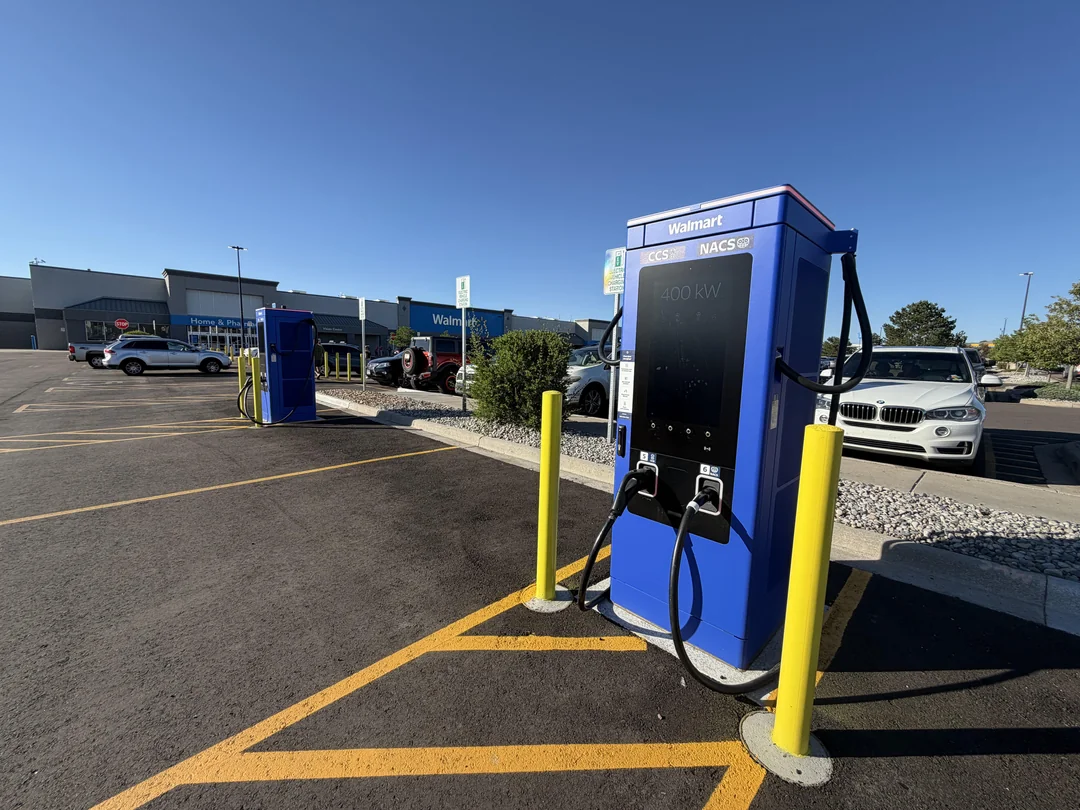
Walmart and Ionna are both expanding fast-charging networks quickly, and both are pricing below the market average, according to Chargenomics data reported by InsideEVs. Walmart’s own-brand stations use 400 kW Alpitronic units with NACS and CCS plugs and give Walmart+ members a 10 percent discount.
Charging got common, then it got reliable. Price is the third act.

2024 Ford F-150
$51,55018K mi · Lariat · 320 mi range
View listingWhy these two can afford it
Neither company needs the electron margin. Walmart is buying store traffic and loyalty enrolments, which is why the discount is tied to a membership rather than to a charging app. Ionna is funded by automakers who need charging to stop being the reason a customer walks out of a showroom.
Networks whose entire business is selling kilowatt-hours cannot follow that pricing down very far. That asymmetry, not the hardware, is what makes this a price war rather than a promotion.
What it costs you today
A road trip is roughly a hundred kilowatt-hours of public charging per long day. A ten to fifteen cent per kilowatt-hour spread between the cheap network and the default one is ten to fifteen dollars a day, every day, and considerably more for anyone without home charging who does all their fuelling in public.
Dual NACS and CCS plugs matter more than the speed rating for a used-car shopper. A 2021 or 2022 EV with a CCS port has been slowly losing access to the newest sites; hardware that carries both cables quietly protects the resale value of those cars.
The part to watch
The original insight: cheap charging from a retailer is not a charging business, it is a customer-acquisition line item, and those get cut when the acquisition target is met. The price is real today and it is not guaranteed to be real in three years.
For now the leverage sits with the driver, which has not been true at any previous point in this market.
Watch whether the incumbent networks answer with lower prices or with membership tiers. The answer will tell you how much slack was in the pricing all along.
More from Charging
Public charging failed less often this year, unless you were parked
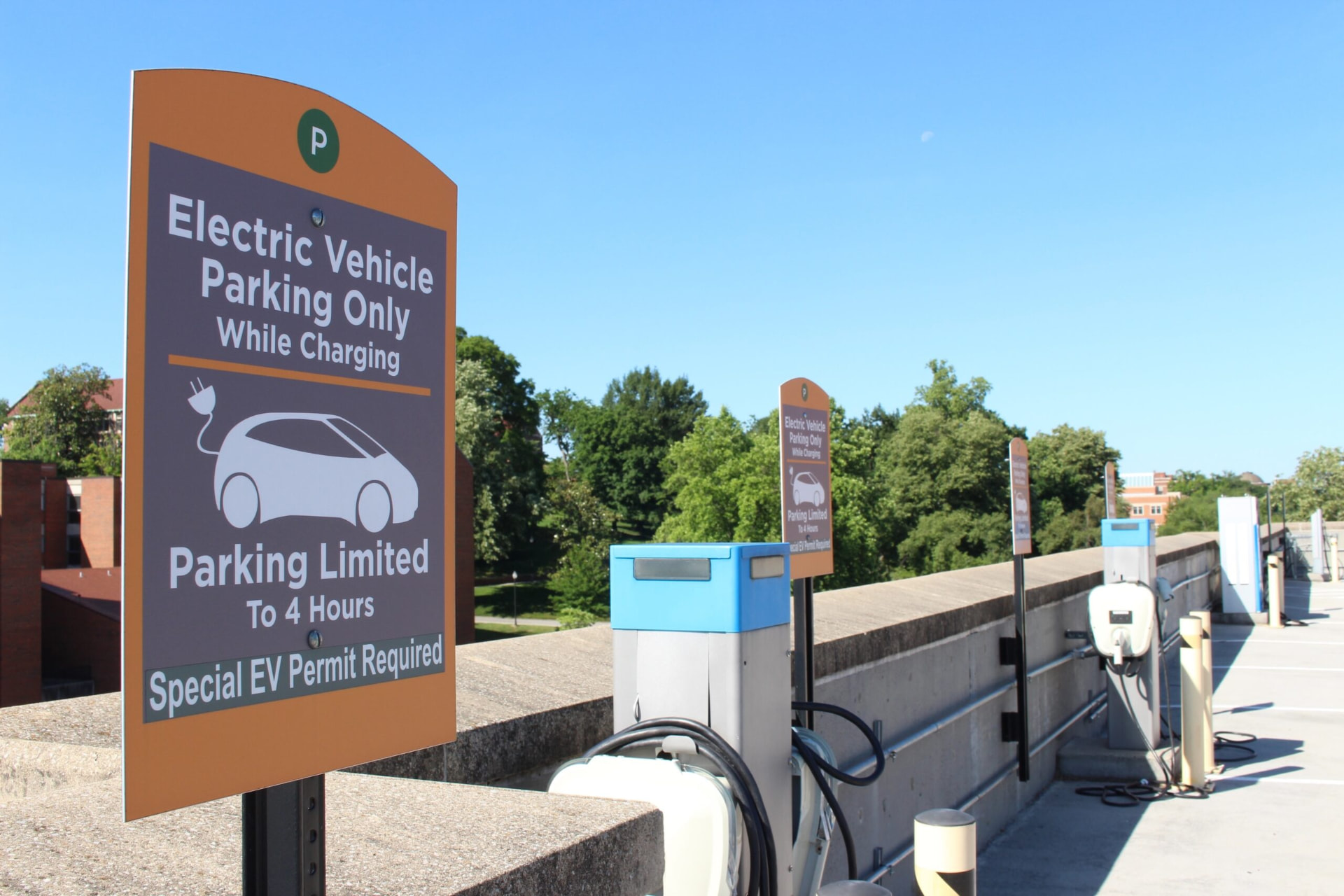
J.D. Power says failed charging attempts hit a record low of 12%. The gains are all on the highway, not at the mall.
Used EV sales jumped again in July while new EV sales collapsed
Used electrics rose 10.1% year over year as new EV volume fell 41.5%. The fuel shock is doing the selling.

Used EV prices are rising for the first time — and the dead tax credit is why
Prices are up mid-single digits this year despite record off-lease supply. The cheap-used-EV window is closing faster than the inventory suggests.