
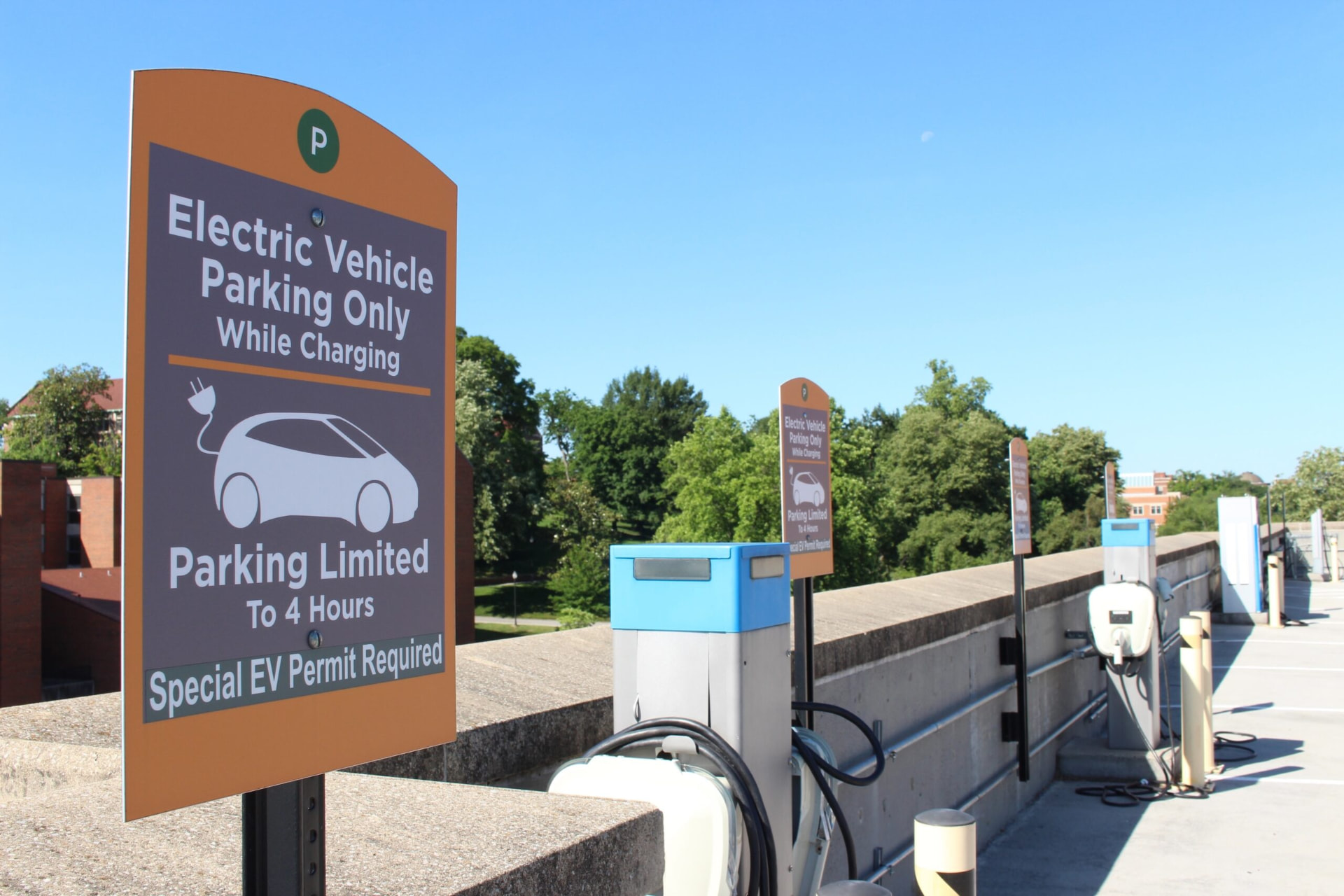
Public charging failed less often this year, unless you were parked
J.D. Power says failed charging attempts hit a record low of 12%. The gains are all on the highway, not at the mall.

The share of public charging visits that ended without a charge fell to 12 percent this year, down from 14 percent, the lowest figure in the six years J.D. Power has run its Electric Vehicle Experience study. The 2026 edition surveyed 6,594 battery-electric and plug-in hybrid owners between January and June.
One in eight visits still fails. That is the improvement.

2024 Ford F-150
$51,55018K mi · Lariat · 320 mi range
View listingAutomaker money is buying reliability
The gains cluster around newer DC fast-charging operations backed by automakers rather than by standalone networks chasing utilisation. Those sites were built after the industry learned what breaks: payment terminals, cable management, and thermal limits that turn an advertised speed into a shrug on a hot afternoon.
Reliability, it turns out, is a capital expenditure problem more than a software one. Networks funded by companies that also sell the cars have a reason to over-build a site that will never pencil out on charging revenue alone.
The divide the headline number hides
Satisfaction rose on travel corridors and stalled at destination charging, the slower units at shopping centres, hotels, and workplaces where a car sits for hours. Those chargers are cheaper to install, and nobody owns the experience once the ribbon is cut. Broken units at a mall get reported to a network, not to a landlord who cares.
For owners this produces a strange inversion. The hard part of EV ownership, the road trip, is getting measurably easier. The easy part, topping up while you run errands, is where the frustration now lives.
What it means for buyers
If you are shopping a used EV and you have home charging, none of this should scare you off. If you do not have home charging, ignore the corridor statistics and go stand at the destination chargers nearest your apartment on a weekday evening. That, not the study average, is your ownership experience.
The insight worth carrying: the industry solved the failure mode it could measure, because road-trip failures generate complaints and press. Destination charging fails quietly, so it stays broken.
The next study will show whether anyone is willing to fund the unglamorous half of the network.
More from Charging
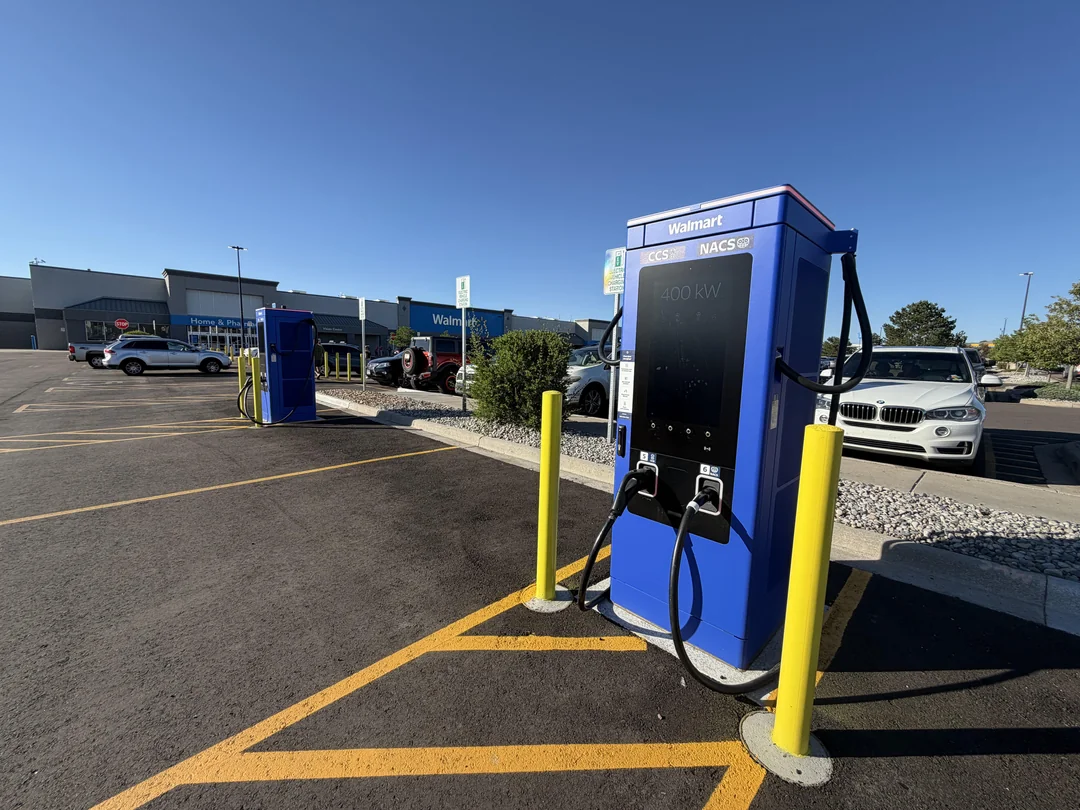
Walmart and Ionna look like the start of a fast-charging price war
Both are undercutting established networks on price while installing 400 kW hardware. Owners have not had this leverage before.
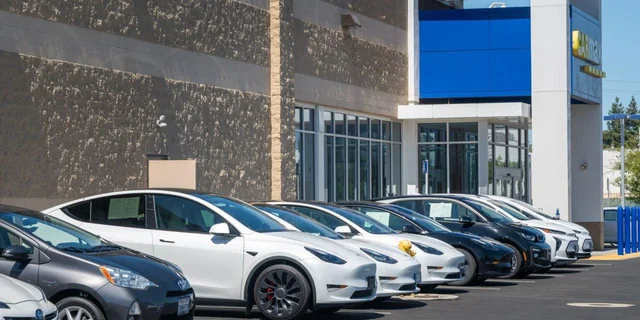
Used EV sales jumped again in July while new EV sales collapsed
Used electrics rose 10.1% year over year as new EV volume fell 41.5%. The fuel shock is doing the selling.

Used EV prices are rising for the first time — and the dead tax credit is why
Prices are up mid-single digits this year despite record off-lease supply. The cheap-used-EV window is closing faster than the inventory suggests.