

Used EV prices are rising for the first time — and the dead tax credit is why
Prices are up mid-single digits this year despite record off-lease supply. The cheap-used-EV window is closing faster than the inventory suggests.

Used electric vehicle prices have climbed roughly five to seven percent so far this year, the first sustained increase since the segment started depreciating in public view. That is happening while off-lease supply hits record volume, which is the opposite of how used car pricing is supposed to work.
The explanation is not demand for used EVs specifically. It is the disappearance of the new one.

2024 Ford F-150
$51,55018K mi · Lariat · 320 mi range
View listingA dead credit pushes buyers down a tier
With the $7,500 federal purchase credit expired, the effective price of a new EV jumped overnight for every shopper who was counting on it. Nothing about the sticker changed; the math on the way to the finance office did. Buyers who were stretching for new are now shopping two- and three-year-old cars, and they are arriving in a market where gasoline near $4.10 a gallon makes the fuel-cost argument make itself.
Off-lease volume was supposed to swamp that demand. It has not, because the lease returns arriving now come from a narrow slice of 2022 and 2023 model years — heavy on a few nameplates, light on the crossovers most families actually want. Supply is high in aggregate and thin where it matters.
What this changes if you are buying
The advice that held for two years — wait, it will be cheaper next quarter — no longer holds. Depreciation curves on used EVs have flattened, and on the most in-demand body styles they have turned. If you have been waiting out the bottom, the bottom appears to have happened in the spring.
There is still a discount to capture, but it now sits in the cars nobody is bidding on: early long-range sedans, discontinued nameplates, and anything with a CCS port in a market that has decided NACS is the future. Those are real bargains for a driver who charges at home and does not road trip. They are traps for anyone who does.
What this changes if you are selling
Your car is probably worth more than the book value your app is quoting. Guide values lag transaction data by weeks, and in a turning market that lag runs against you. Get two live offers before you accept a trade number pulled from a screen.
The single original insight here: this is the first time used EV pricing has been driven by new-car policy rather than by battery anxiety. That is a sign the segment is maturing into a normal used market — one where incentives, fuel prices, and supply mix set the number, not fear about the pack.
Watch the fourth-quarter lease returns. If the mix widens into crossovers and prices hold anyway, the floor is real.
More from Used EVs
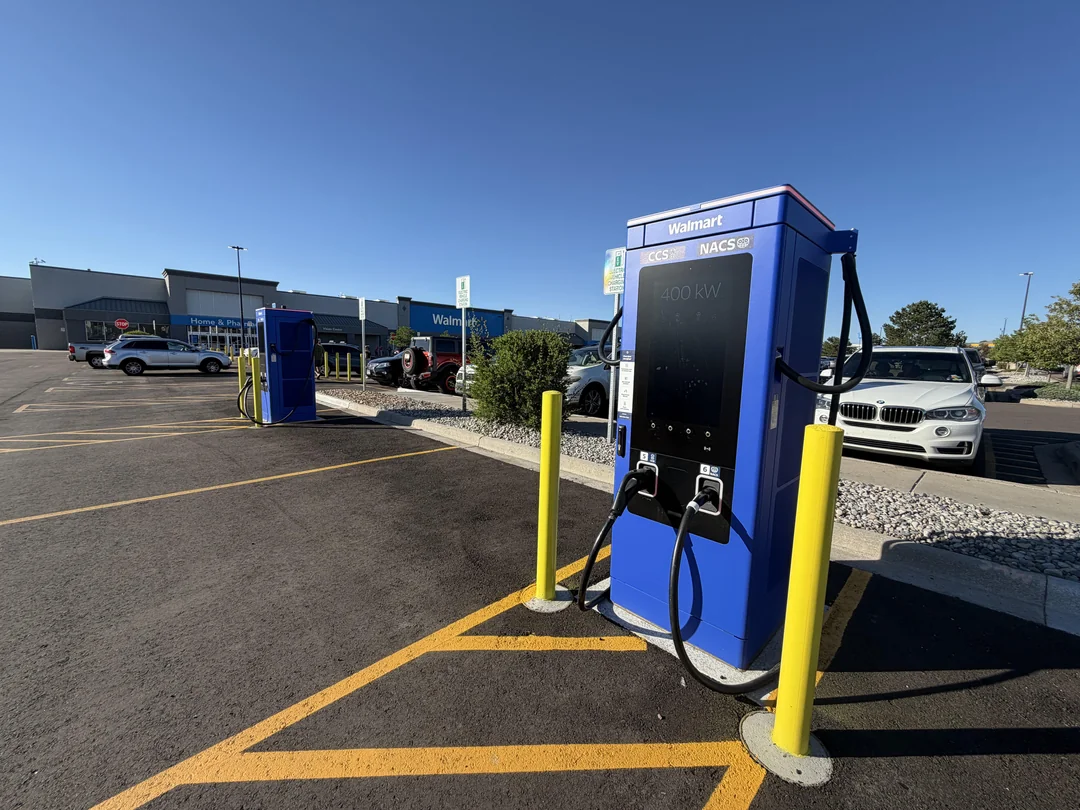
Walmart and Ionna look like the start of a fast-charging price war
Both are undercutting established networks on price while installing 400 kW hardware. Owners have not had this leverage before.
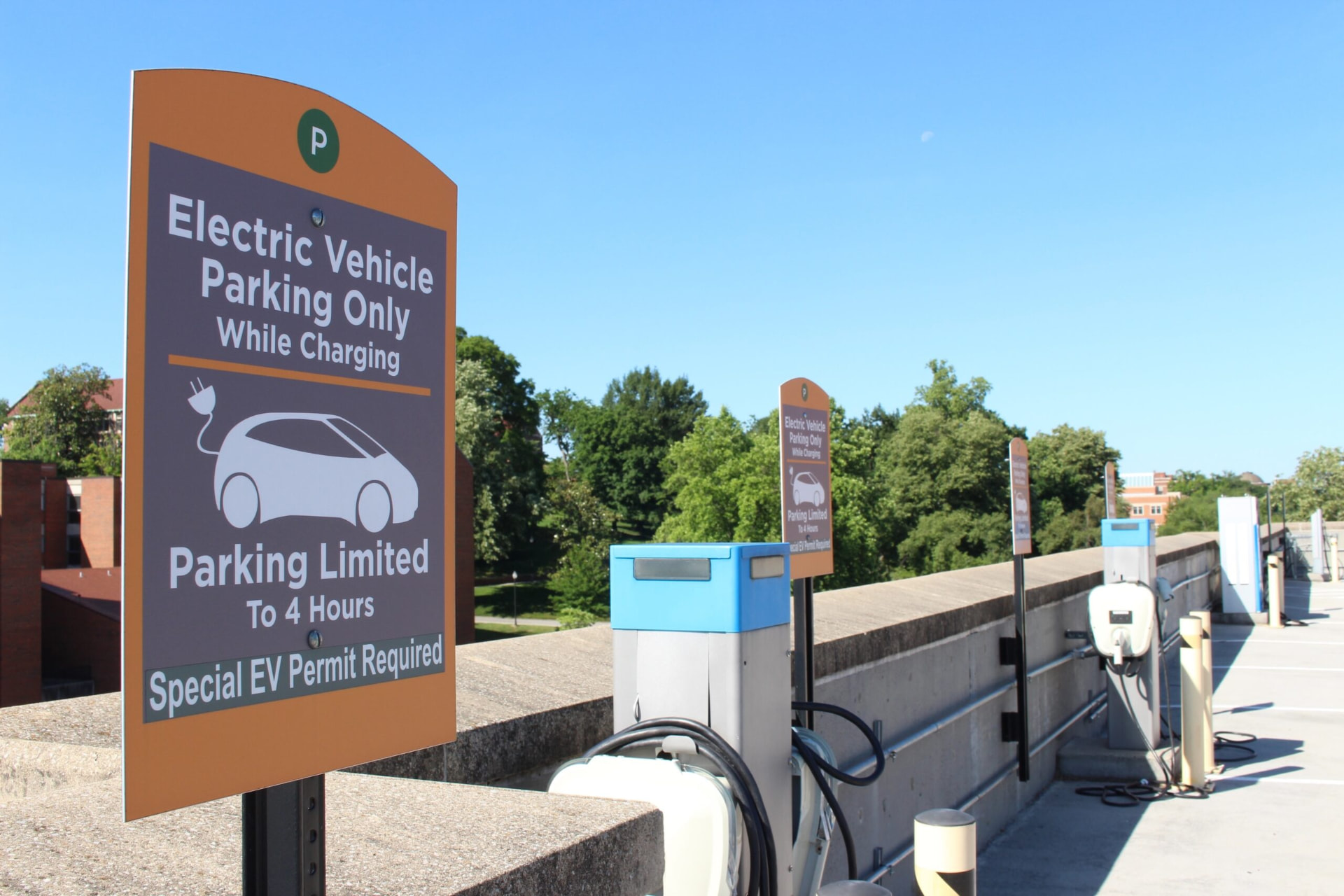
Public charging failed less often this year, unless you were parked
J.D. Power says failed charging attempts hit a record low of 12%. The gains are all on the highway, not at the mall.
Used EV sales jumped again in July while new EV sales collapsed
Used electrics rose 10.1% year over year as new EV volume fell 41.5%. The fuel shock is doing the selling.