
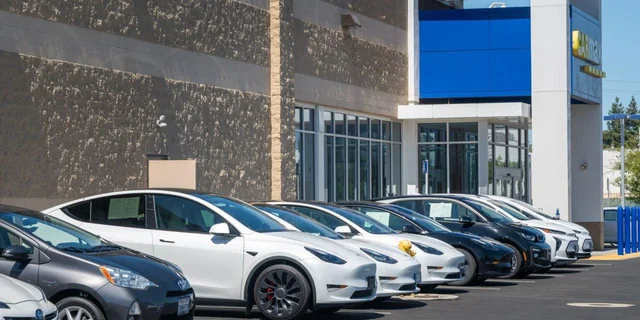
Used EV sales jumped again in July while new EV sales collapsed
Used electrics rose 10.1% year over year as new EV volume fell 41.5%. The fuel shock is doing the selling.

Sales of used electric vehicles rose 7.7 percent from June to July and 10.1 percent against last year, according to Cox Automotive data released this week. New EV sales grew 3.2 percent month over month and sat 41.5 percent below their 2025 level.
Two numbers, one market, opposite directions. That gap is the story of the American EV business in 2026.

2022 Tesla Model Y
$35,55024K mi · Long Range · 320 mi range
View listingFuel prices are doing the persuading
Dealers keep giving the same reason for the surge, and it is not climate math or a new model launch. It is the pump. Gasoline climbed again in July on the back of the war with Iran, and every dollar of that increase makes a three-year-old electric hatchback look like a household budget fix rather than a statement.
Recurrent chief executive Scott Case put it bluntly to Grist: the used market is so hot that it has become, in his framing, uniquely the beneficiary of the war. A used EV is the cheapest way an ordinary buyer can opt out of a volatile fuel price, and it requires no policy, no incentive, and no waiting list.
Why new sales fell off the same cliff
The new market lost its $7,500 federal credit and never replaced it. Sticker prices did not move, but the number the customer finances did, by an amount most shoppers could not absorb. Those buyers did not leave the segment. They walked down a tier and bought somebody else’s two-year-old car.
That is why the two lines diverge instead of falling together. Demand for electric driving did not collapse. Demand for paying new-car prices for it did.
What this means if you are shopping
Expect less negotiating room than you had in the spring, and expect the good inventory to move in days rather than weeks. Fast-turning stock is a signal to bring financing and a battery health report with you rather than to plan a second visit.
The original insight worth holding onto: this is the first EV demand cycle in the United States driven entirely by operating cost rather than by subsidy. Subsidised demand disappears when the subsidy does. Fuel-driven demand persists as long as fuel is expensive, and it converts buyers who never considered themselves EV people.
Watch what happens if pump prices ease this autumn. If used EV volume holds anyway, the segment has finally found buyers who stay.
More from Used EVs
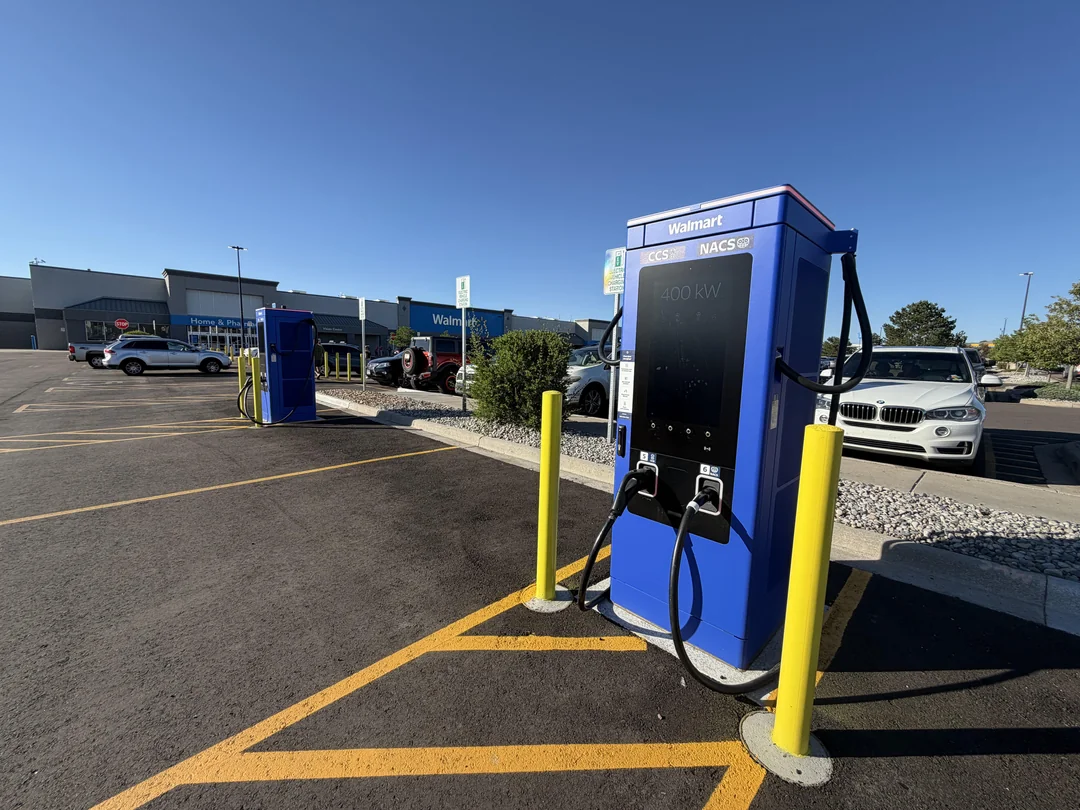
Walmart and Ionna look like the start of a fast-charging price war
Both are undercutting established networks on price while installing 400 kW hardware. Owners have not had this leverage before.
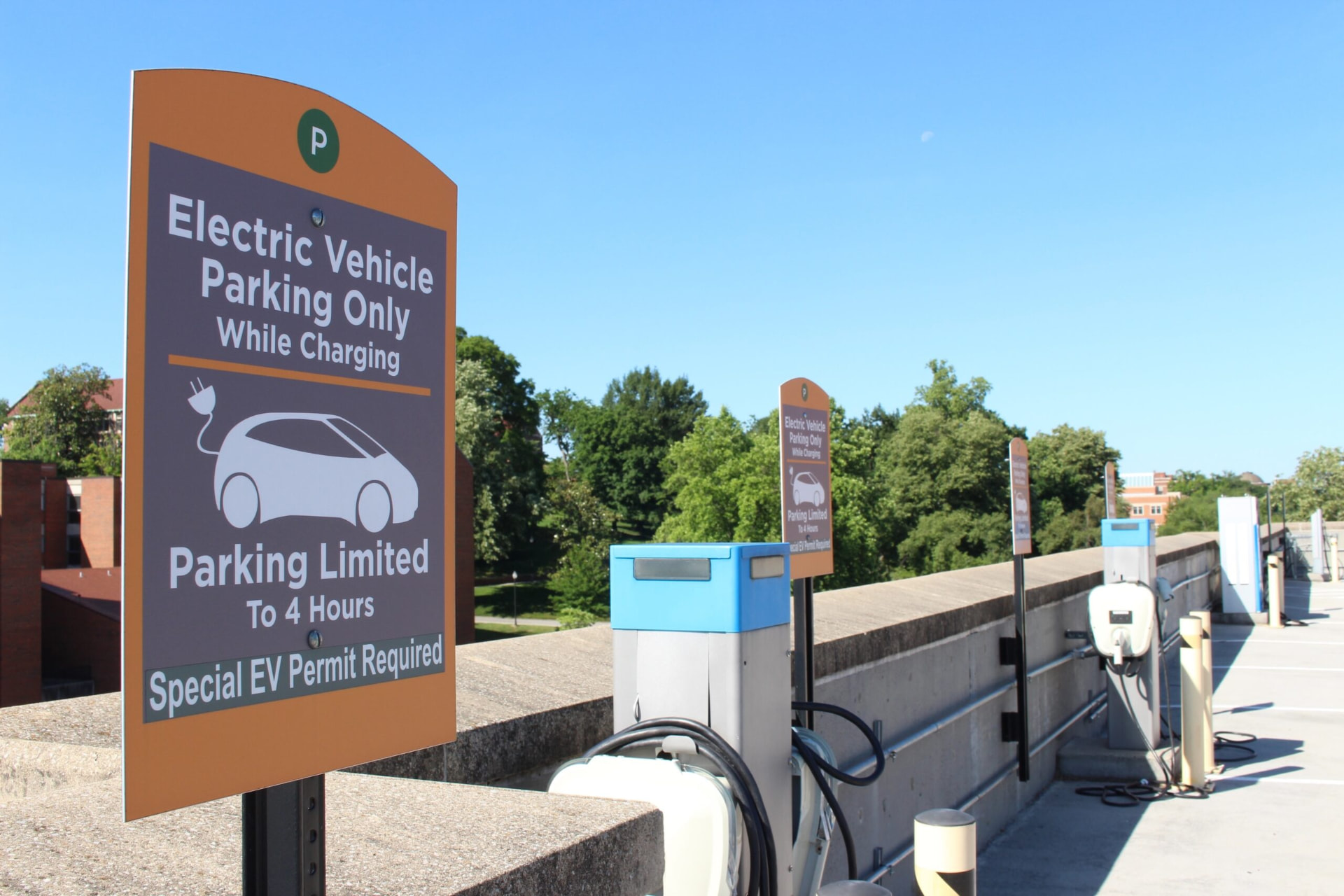
Public charging failed less often this year, unless you were parked
J.D. Power says failed charging attempts hit a record low of 12%. The gains are all on the highway, not at the mall.

Used EV prices are rising for the first time — and the dead tax credit is why
Prices are up mid-single digits this year despite record off-lease supply. The cheap-used-EV window is closing faster than the inventory suggests.