

The Next EV Boom Isn't Building Batteries — It's Taking Them Apart
Recycling has moved from pilot plants to industrial competition, and the winners become the refineries of the electric era.

The Alliance for Automotive Innovation put numbers this month on something the industry has been circling for two years: North American battery recycling has stopped being a demonstration project and started being a business with competitors, contracts, and capacity fights.
Redwood Materials, Li-Cycle, Ascend Elements, and Cirba Solutions are all chasing the same position, and it is not the one the press releases describe.

2022 Tesla Model Y
$35,55024K mi · Long Range · 320 mi range
View listingThis is a refining business wearing a recycling label
Shredding a pack produces black mass, a powder containing nickel, cobalt, lithium, and manganese. Black mass is not a product. Refined cathode-grade material is a product, and until very recently every ton of North American black mass got shipped to Asia to become one.
Whoever builds domestic refining capacity captures the margin that currently leaves the continent. That is the actual race, and it explains why these companies keep announcing hydrometallurgical facilities rather than collection programs.
The supply side has an unusual quirk: most feedstock today is manufacturing scrap from cell plants, not end-of-life vehicle packs. EV batteries are lasting longer than the models assumed, which is good news for owners and an inconvenience for anyone who built a plant sized against a 2019 degradation curve.
What it means if you own one
A pack with residual value is a pack that gets replaced rather than a car that gets scrapped. When a recycler will pay real money for a dead battery, the effective cost of a replacement drops, and the ten-year-old EV stops being a total loss the first time a module fails.
That is the quiet consequence of this industry maturing. Depreciation curves on high-mileage EVs are set less by the car than by what happens to it at the end, and the end is finally worth something.
Mining headlines will keep getting the attention. The mine that matters most in 2035 is already parked in a driveway.
More from Batteries
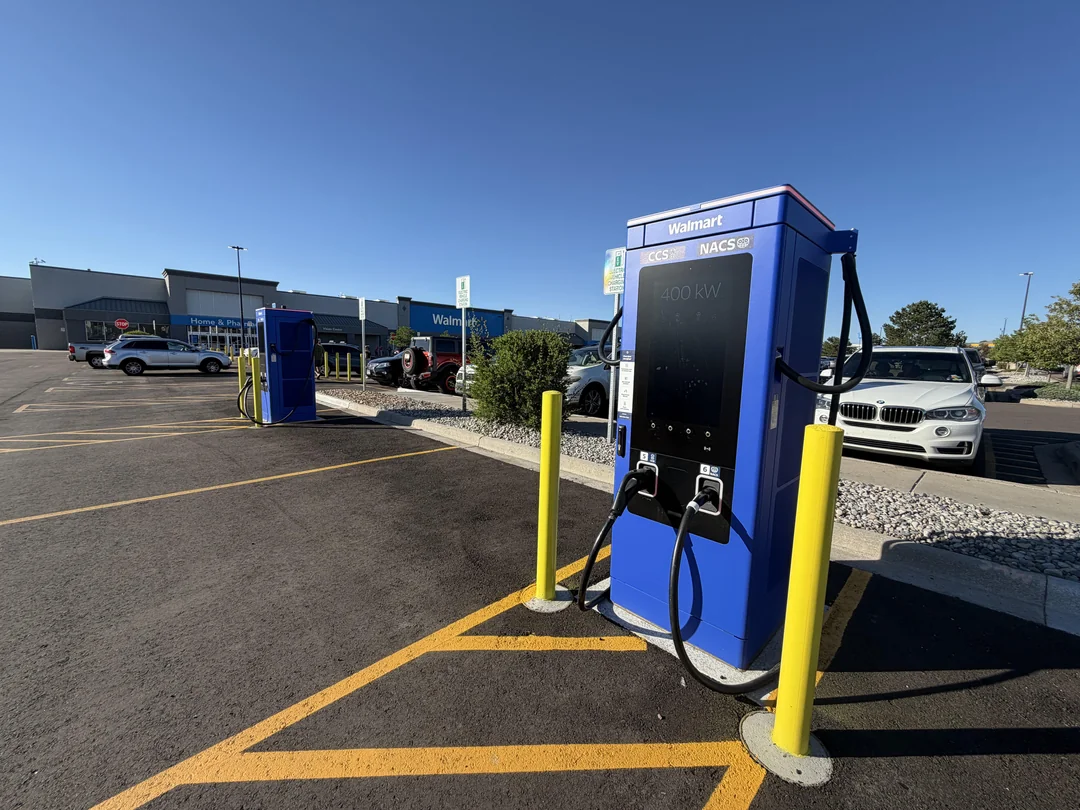
Walmart and Ionna look like the start of a fast-charging price war
Both are undercutting established networks on price while installing 400 kW hardware. Owners have not had this leverage before.
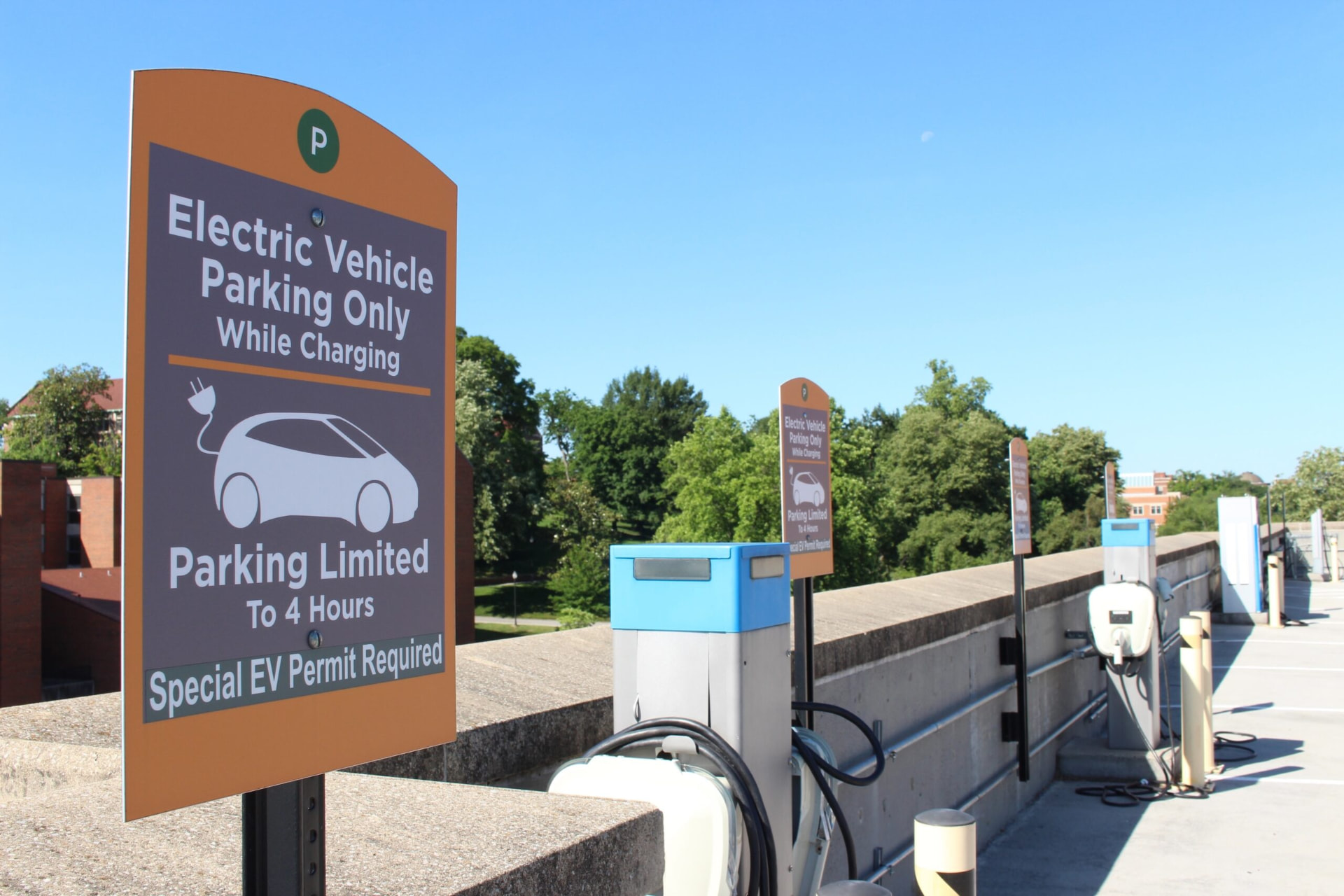
Public charging failed less often this year, unless you were parked
J.D. Power says failed charging attempts hit a record low of 12%. The gains are all on the highway, not at the mall.
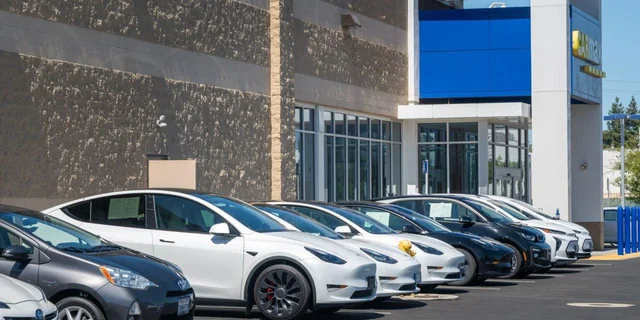
Used EV sales jumped again in July while new EV sales collapsed
Used electrics rose 10.1% year over year as new EV volume fell 41.5%. The fuel shock is doing the selling.