

Lectron's Nexus Launch Says the Cheap Home Charger Is Disappearing
Dual NACS and J1772 support, OEM-grade validation, and a price that no longer pretends to compete with a $299 box.

Lectron introduced its Nexus residential lineup this week, and the specification sheet is less interesting than the pitch attached to it. The company is selling validation — the same qualification testing an automaker demands of a supplier — rather than the lowest price per amp.
Home charging hardware gets almost no editorial attention, which is strange given that it is the second-largest purchase most EV owners make.

2024 Ford F-150
$51,55018K mi · Lariat · 320 mi range
View listingNACS broke the old buying advice
For years the answer to "which home charger?" was whatever 48-amp J1772 unit was on sale. The connector transition ended that. New vehicles ship with NACS ports, the household fleet is mixed, and an adapter dangling off a wall unit is a failure point in a device that spends eight hours a night carrying 11.5 kilowatts.
Dual-connector units solve a real problem for the two-EV household, which is now most EV households. They also cost more to build, and that cost is showing up at exactly the moment the federal purchase credit stopped subsidizing the rest of the transaction.
What validation actually buys you
The unglamorous truth about cheap chargers is that most of them work. The failures cluster in the parts nobody photographs: contactor welding, thermal management in the handle, firmware that loses a Wi-Fi connection and stops scheduling off-peak sessions. Those failures cost money in a way that shows up on a utility bill rather than in a warranty claim, which is why owners rarely connect the two.
A charger that reliably hits an off-peak window at a 12-cent overnight rate instead of a 34-cent afternoon rate saves a typical driver something in the neighborhood of $400 a year. That is the entire price gap between the discount unit and the validated one, recovered in about twelve months.
The $299 wall box is not going away because regulators killed it. It is going away because the households buying second EVs have stopped shopping like first-time buyers.
More from Home Charging
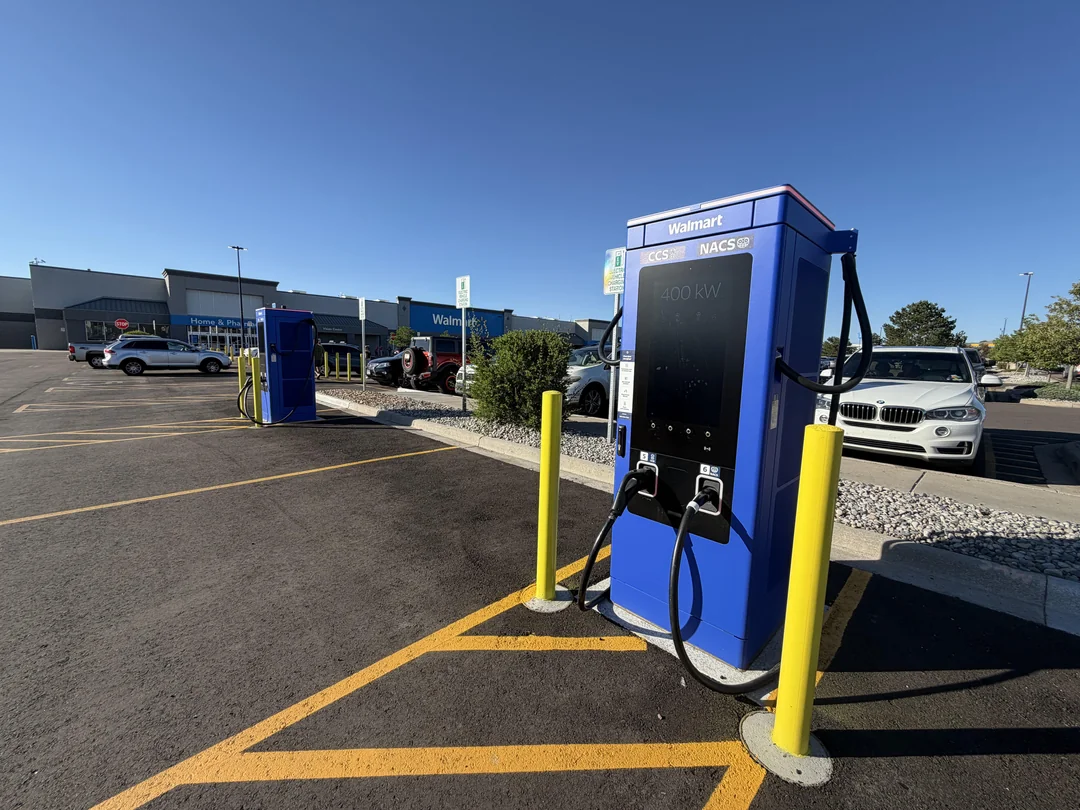
Walmart and Ionna look like the start of a fast-charging price war
Both are undercutting established networks on price while installing 400 kW hardware. Owners have not had this leverage before.
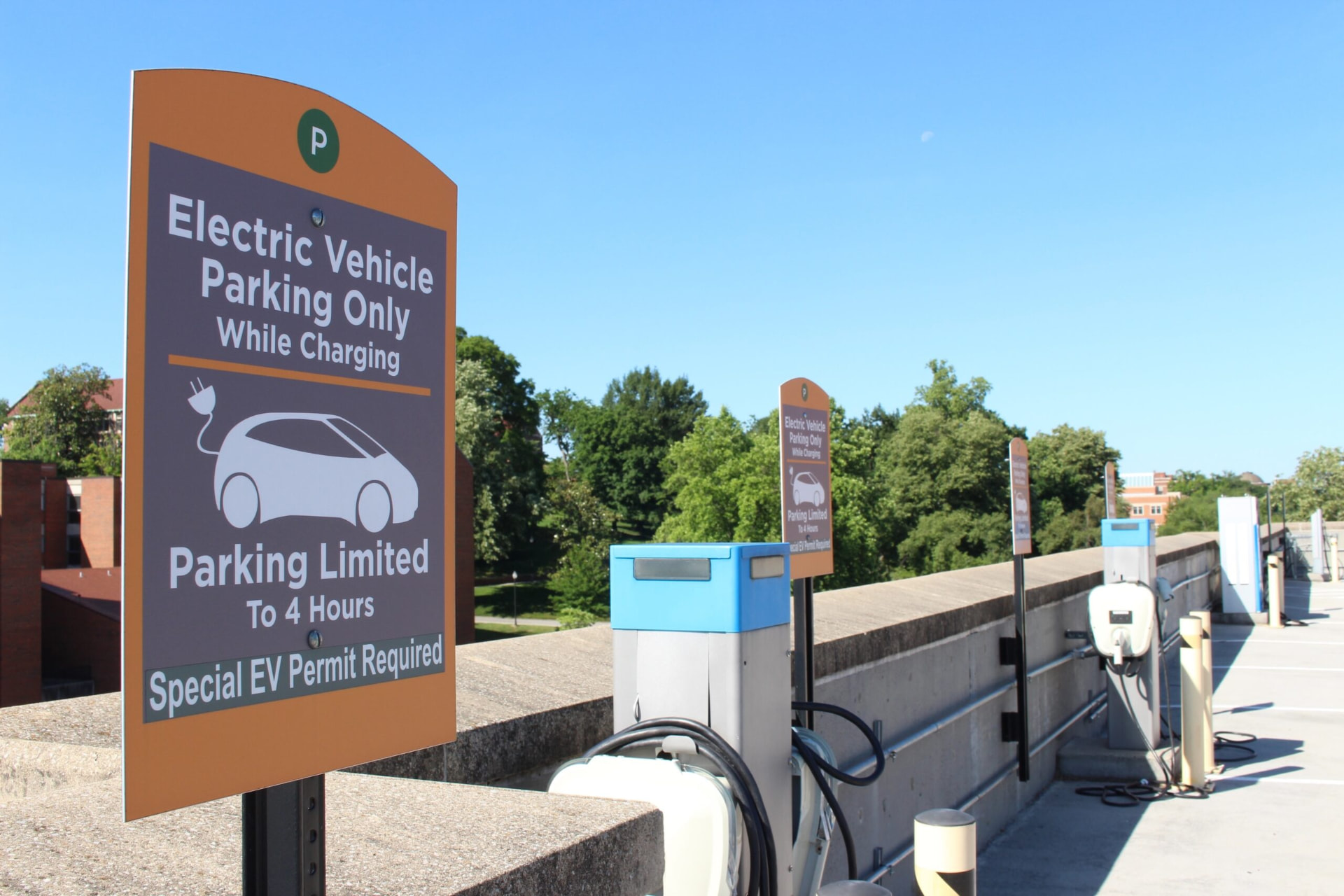
Public charging failed less often this year, unless you were parked
J.D. Power says failed charging attempts hit a record low of 12%. The gains are all on the highway, not at the mall.
Used EV sales jumped again in July while new EV sales collapsed
Used electrics rose 10.1% year over year as new EV volume fell 41.5%. The fuel shock is doing the selling.