
Is Mitsubishi Becoming the Next Automaker to Outsource Its EV Future?
Supplier filings point to a North American electric push built almost entirely on other companies' platforms.

Mitsubishi's North American electrification plans surfaced this week the way most real automaker news does: buried in a supplier roundup rather than staged at an auto show. The signals point toward partnerships and shared platforms, not a program of its own.
This is a company that shipped the i-MiEV in 2011 and then spent fifteen years watching the market it entered early pass it by.

2022 Tesla Model Y
$35,55024K mi · Long Range · 320 mi range
View listingBadge engineering, second era
The alliance model gives Mitsubishi access to Nissan and Renault engineering without carrying the development cost, and it has already used that access on the combustion side. Extending it to electric vehicles is the rational corporate decision. It is also the decision that produced the Outlander Sport's twelve-year model cycle.
For a buyer, a rebadged EV is not automatically a worse car. Some of the best value in the segment right now is a shared platform with a different warranty attached to it. The risk lives elsewhere.
The ownership question nobody asks at signing
When a manufacturer does not own the platform, it usually does not own the software update path either. Ask any Fisker owner what happens to a vehicle whose over-the-air pipeline depends on a partner's willingness to keep maintaining it. Battery module availability follows the same logic — modules get built for the volume brand, and the low-volume badge waits.
Mitsubishi still runs one of the longest powertrain warranties in the industry at ten years and 100,000 miles. If that survives the transition to a partner-built EV, it is a genuinely compelling used-market proposition three years from now. If it quietly shortens, that tells you how much of the vehicle Mitsubishi actually controls.
The company that built the first mass-market electric car sold in America is now deciding whether to build electric cars at all. That is a strange sentence to write in 2026.
More from Automakers
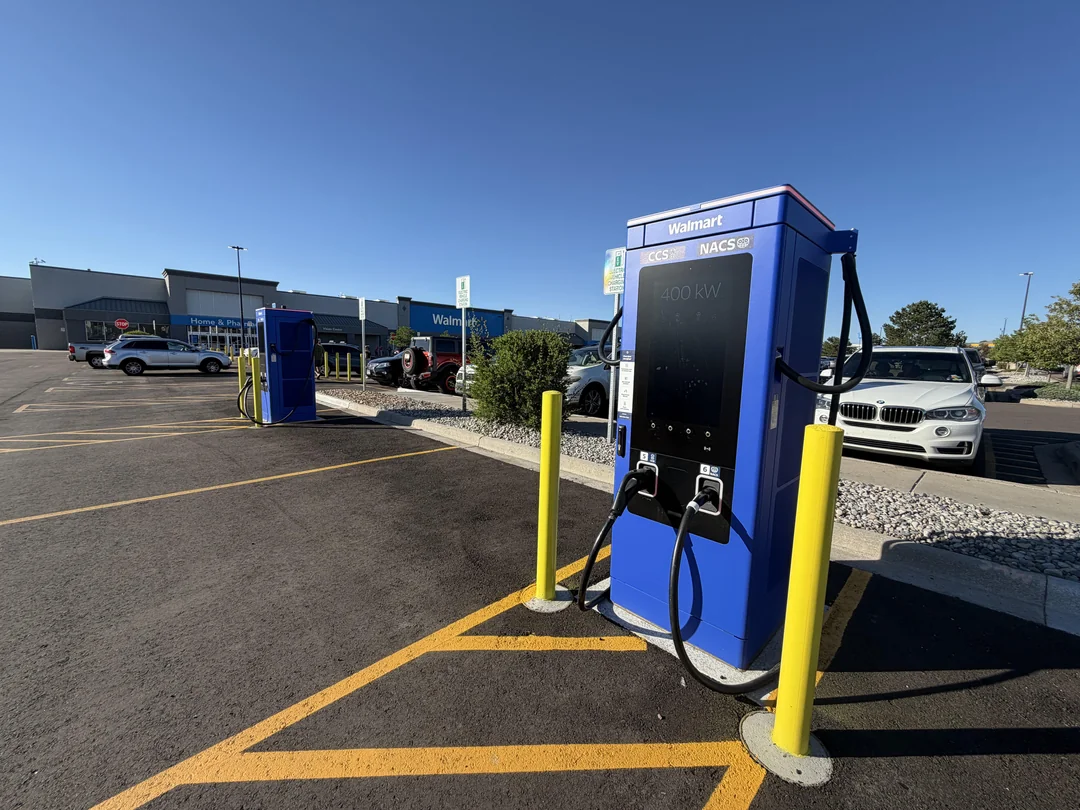
Walmart and Ionna look like the start of a fast-charging price war
Both are undercutting established networks on price while installing 400 kW hardware. Owners have not had this leverage before.
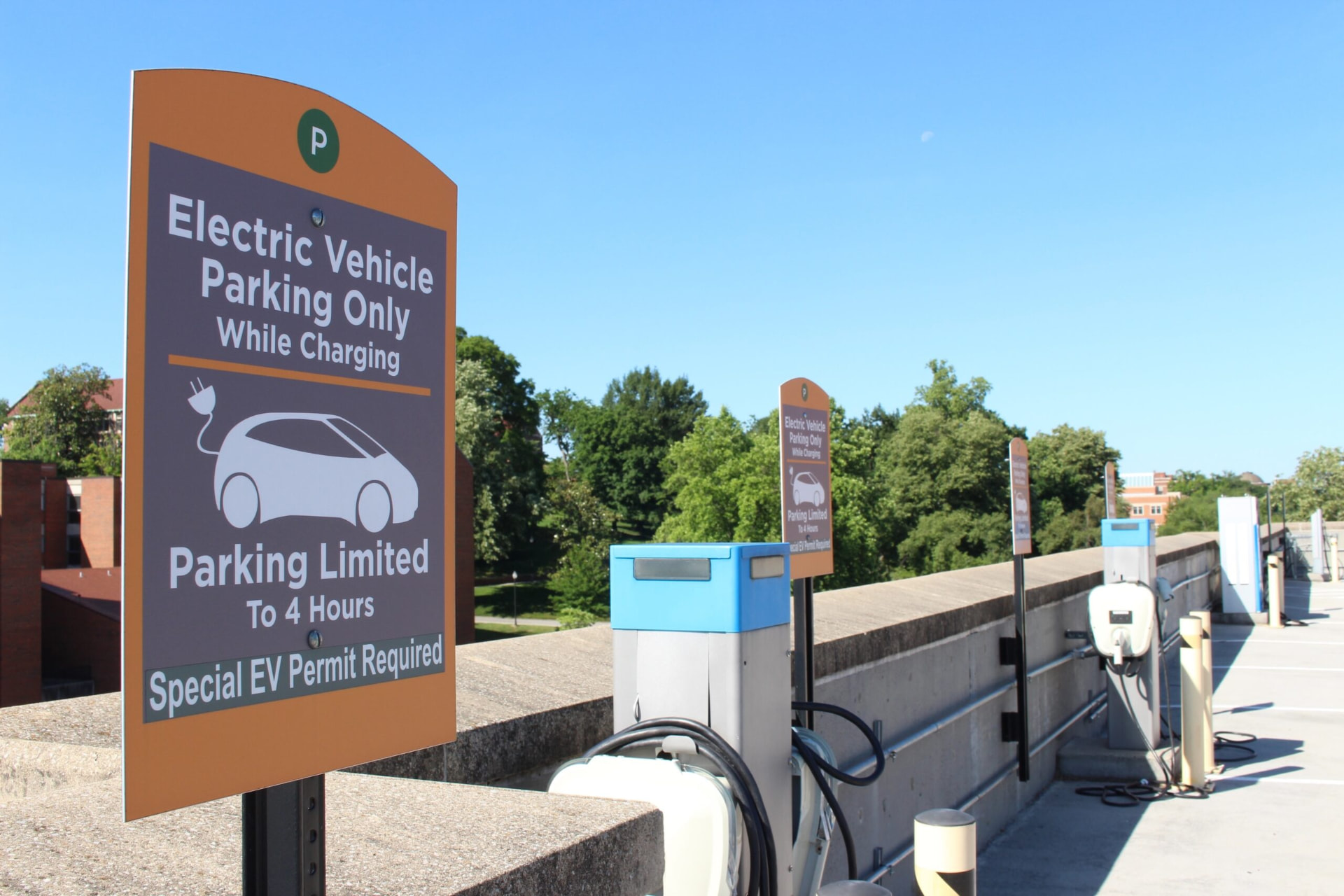
Public charging failed less often this year, unless you were parked
J.D. Power says failed charging attempts hit a record low of 12%. The gains are all on the highway, not at the mall.
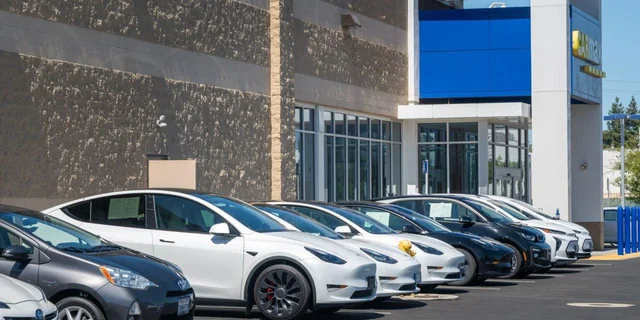
Used EV sales jumped again in July while new EV sales collapsed
Used electrics rose 10.1% year over year as new EV volume fell 41.5%. The fuel shock is doing the selling.