

Battery-Backed Charging Is Quietly Becoming the Industry's Default
Everyone is talking about megawatt charging. The actual fix for slow build-outs is a cabinet full of cells.

Electric Era, XCharge, FreeWire, and Electrify America have converged on the same architecture from four different starting points: put a battery between the grid and the charger. Tesla has been integrating Megapacks at Supercharger sites for years and rarely bothers to mention it.
The convergence is not a technology story. It is a story about waiting.

2022 Tesla Model Y
$35,55024K mi · Long Range · 320 mi range
View listingThe interconnection queue is the real bottleneck
A high-power charging site needs a utility service upgrade, and in most territories that upgrade is measured in years rather than months. Transformers are back-ordered. Interconnection studies stack up. A developer with a signed site lease can sit idle for 24 to 36 months waiting on a piece of equipment.
A battery buffer sidesteps the queue. The cabinet charges slowly off whatever service already exists, then discharges fast when a car plugs in. The site opens on the existing electrical panel, which turns a three-year project into a six-month one.
There is a second benefit that matters more to the operator's balance sheet. Commercial demand charges are billed on peak draw, and a 350-kilowatt spike from a single vehicle can define an entire month's bill. Flattening that curve with storage is often the difference between a station that loses money and one that does not.
Where it breaks
Buffered sites have a throughput ceiling. Empty the cabinet during a holiday rush and the site degrades to whatever the grid connection can deliver, which is sometimes 50 kilowatts on a stall advertising 350. Drivers do not read one-line diagrams; they read the number on the screen and conclude the network is broken.
The honest read is that battery-backed charging is a bridge, and the operators building it know that. It buys three to five years of deployment while utilities catch up. Whether the cells last long enough to matter past that window is a question nobody in the industry answers on the record.
For now, the fastest way to build a charging network in America is to stop asking the grid for permission.
More from Infrastructure
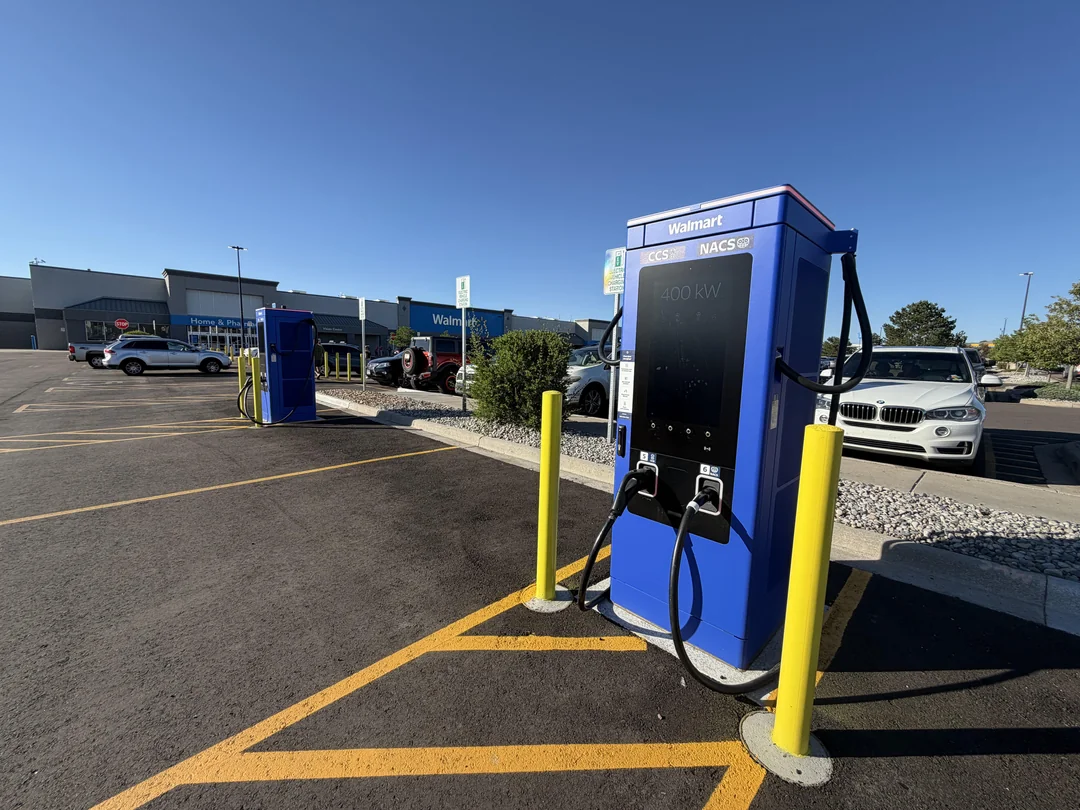
Walmart and Ionna look like the start of a fast-charging price war
Both are undercutting established networks on price while installing 400 kW hardware. Owners have not had this leverage before.
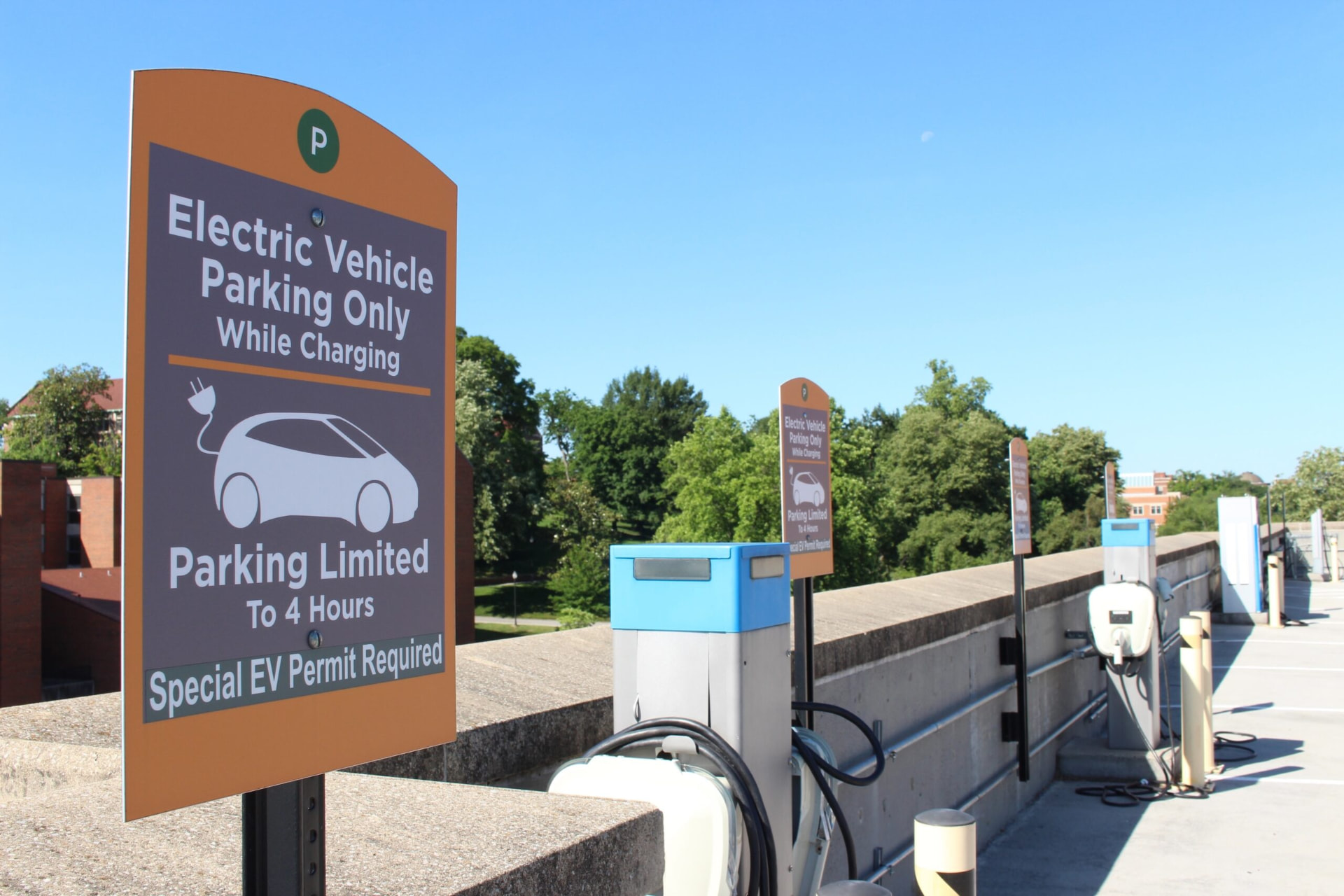
Public charging failed less often this year, unless you were parked
J.D. Power says failed charging attempts hit a record low of 12%. The gains are all on the highway, not at the mall.
Used EV sales jumped again in July while new EV sales collapsed
Used electrics rose 10.1% year over year as new EV volume fell 41.5%. The fuel shock is doing the selling.