

AI Is Moving From Inside the Car to Inside the Charging Station
Failure prediction, dynamic pricing, and load scheduling are doing more for charger uptime than any hardware refresh.

Almost every dollar of automotive AI coverage goes to autonomy. The application that will change more drivers' weeks in the next two years is running in a network operations center, deciding which dispenser is about to fail.
Charging companies including Driivz have been building this quietly, because "we predicted a contactor fault" does not make a keynote.

2024 Ford F-150
$51,55018K mi · Lariat · 320 mi range
View listingFour jobs, one control layer
The models being deployed do roughly four things. They read telemetry for the signatures that precede a hardware failure, so a technician arrives before the stall goes dark. They price electricity dynamically against wholesale rates and site congestion. They schedule loads across a site so eight cars sharing one connection do not collapse everyone's charge rate. And they decide when a battery buffer should draw from the grid and when it should discharge.
Each of those is a spreadsheet problem at one site and an intractable one at four thousand. That is the entire case for automation here.
Dynamic pricing is the part owners will feel
Uptime improvement is unambiguously good. Real-time pricing is not. Gas stations change prices daily; a charging network with a live pricing engine can change them hourly, against the same demand curve that makes you desperate at 22 percent state of charge on a Sunday.
The operators framing this as savings are being selective. Variable pricing lowers off-peak rates and raises peak ones, and the drivers with the least flexibility — no home charger, rigid schedules, older cars that charge slowly — sit squarely in the peak. It is the apartment-dweller penalty, computed more precisely.
The charger that texts a technician before it breaks is a genuine advance. The charger that knows exactly how much you will pay to avoid being stranded is something else, and both are shipping in the same software release.
More from Technology
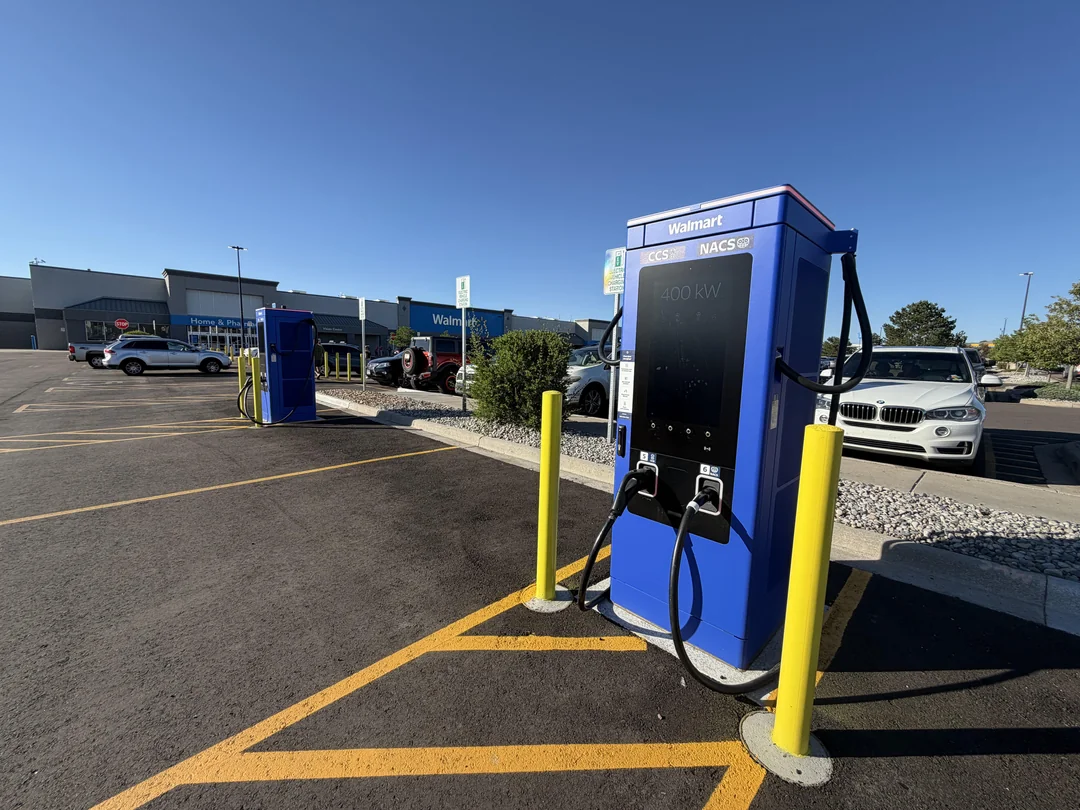
Walmart and Ionna look like the start of a fast-charging price war
Both are undercutting established networks on price while installing 400 kW hardware. Owners have not had this leverage before.
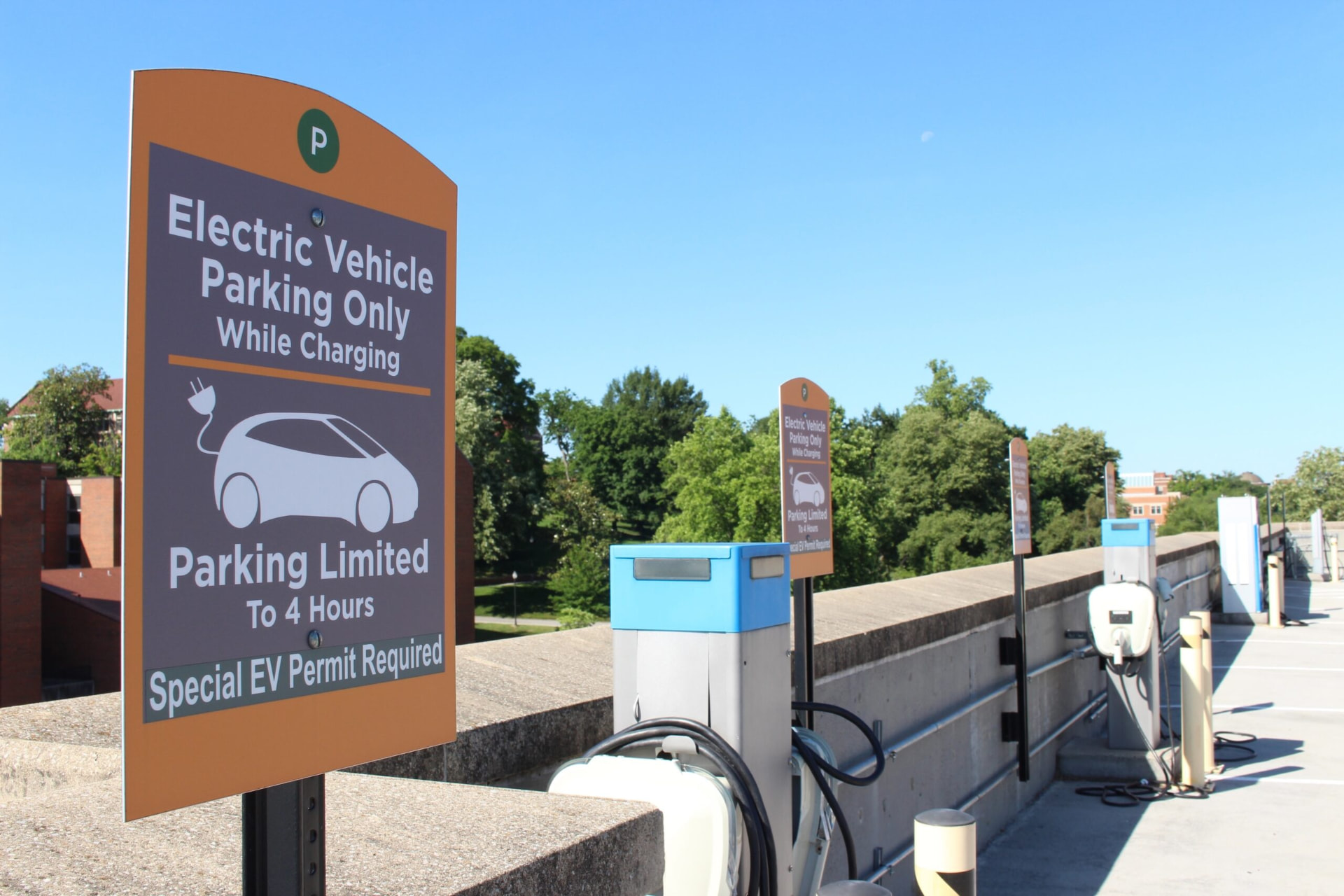
Public charging failed less often this year, unless you were parked
J.D. Power says failed charging attempts hit a record low of 12%. The gains are all on the highway, not at the mall.
Used EV sales jumped again in July while new EV sales collapsed
Used electrics rose 10.1% year over year as new EV volume fell 41.5%. The fuel shock is doing the selling.